
A TK decemberi hírlevele
Társadalomtudományi Kutatóközpont
















2026. augusztus 20.
2026. július 30.
A 2026. április 12-én megbukott kormányzat tudománypolitikájának káros hatásai valamennyi tudományterületet negatívan érintettek, de leginkább talán a bölcsészet- és társadalomtudományok művelőit sújtották.
Legfrissebb híreink
Herke Boglárka – Janky Béla (2021) The Role of the Deservingness Criteria in the Case of Single Mothers’ Perceived Welfare Deservingness in Hungary. Journal of Social Policy, 2021, 1–21. doi:10.1017/S004727942100074X
Kiadó: PESTI KALLIGRAM KFT.
Oldalak száma: 352
ISBN: 9789634682691
A teljes lapszám elérhető a folyóirat honlapján: ITT.
A tartalomból:
- Posztjugoszláv emlékezetpolitika
- A háború emléke és felejtése
- A cservenkai halál-árok
Megjelent Metz Rudolf és Várnagy Réka közös tanulmánya “Mass,” “Movement,” “Personal,” or “Cartel” Party? Fidesz’s Hybrid Organisational Strategy címmel a Politics and Governance tematikus különszámában.
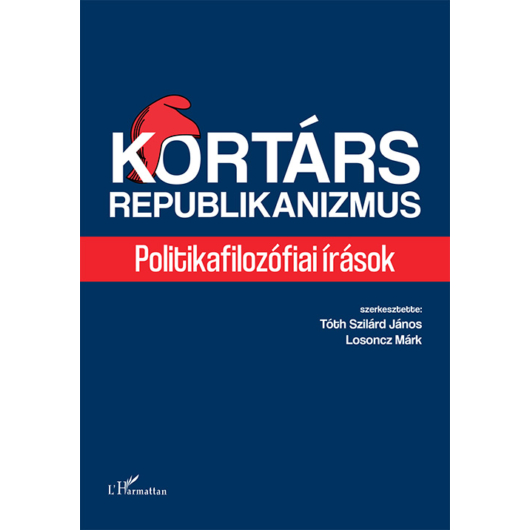 Megjelent Tóth Szilárd János és Losonc Márk által szerkesztett "Kortárs republikanizmus Politikafilozófiai írások" című kötet L'Harmattan gondozásában.
Megjelent Sebők Miklós és Jasper Simons "How Orbán won? Neoliberal disenchantment and the grand strategy of financial nationalism to reconstruct capitalism and regain autonomy" című tanulmánya a Socio-Economic Review folyóiratban.
Győri Ágnes, Huszár Ákos és Balogh Karolina közös tanulmánya ("Differences in the Domestic Energy Consumption in Hungary: Trends between 2006–2017") a 3,004-es impaktfaktorú Energies folyóiratban olvasható.
Legújabb eredményeink
2026. július
Új publikáció:
Szalma, I., Pélyi, L., Udvari, O., Udvarhelyi-Tóth, K. M., Kispéter, E., & Kubinyi, E. (2026). Dogs, motherhood, and reproductive choices: A qualitative study of women's decision-making in a pronatalist country. Journal of Family Issues (Q1). https://doi.org/10.1177/0192513X261465809
2026. május
Andrea Szabó, András Bozóki, Zoltán Gábor Szűcs-Zágoni: Electoral Revolution: The Collapse of Hungary’s Electoral Autocracy. Democracy Seminar.
2026. március
Benedek István (2026): Polarizing transition? Opposition strategies and the rise of Péter Magyar and the Respect and Freedom Party (TISZA) in Hungary. Comparative European Politics
2025. november 18.
Új publikáció:
Panizza F, Szikra D, Öktem KG, Györy A, Sazo D.: How Populists Governed the COVID-19 Pandemic: Populist Governance and Social Policies in Brazil, Hungary, Mexico, Poland, Russia, and Turkey.